Paper Planes Refloat Zimbabwe Economy
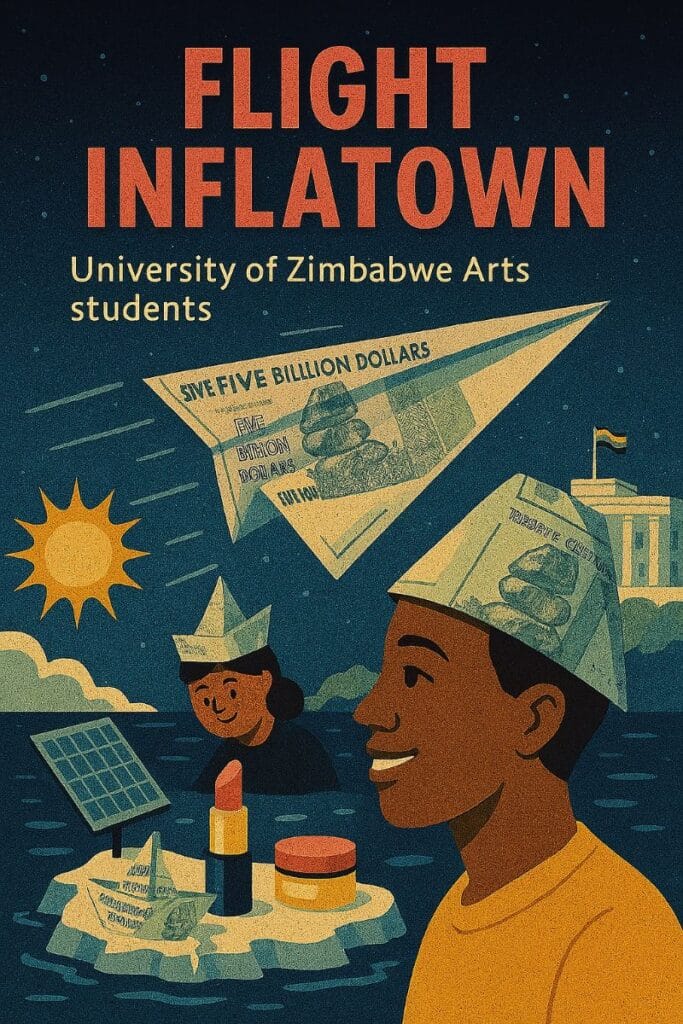
An enterprising group of students from the Arts Department of the University of Zimbabwe have managed by accident to kick start their country’s economy by selling paper planes made from Zimbabwe bank notes.
What had initially started out as a fraternity dare has turned into a huge boon for the country. Many Zimbabweans have been quick to jump onto the bandwagon by introducing other offbeat uses for the currency, including paper hats, paper boats, Christmas wrapping paper, and wallpaper.
We approached an official from the Zimbabwe Treasury, but he was unable to give comment, saying his hands were tied (which they were).
According to eBay, the new currency craft category is fast becoming one of its top sellers. The only glitch encountered so far, was in PayPal’s currency conversion algorithm, which triggered an overflow of zeroes that forced the online invoice onto multiple screens. A patch was quickly applied.
Update: Other countries have also begun to follow suit as their currencies falter under the current glocal economic crisis. Various market analysts have raised concerns this new income stream will wreak havoc on the global economy and some have asked that sanctions, such as paper cuts, be imposed.

Harry is a satirist in remission who now moonlights as a metaphysical desk jockey. He specialises in cosmic admin, recursive nonsense, and the occasional algorithmic incident report. One poem he wrote still hasn’t stopped, and several readers claim it whispers back during thunderstorms.

The Algorithm Was Just a Moisturizer

Diary of a Sentient Jukebox

This one’s fantastic — sharp, absurd, and socially pointed. You’ve woven economic satire with playful imagery and a touch of global commentary.